Join the Pack: The Benefits of Social Walking Groups in Townsville

Published
Last updated
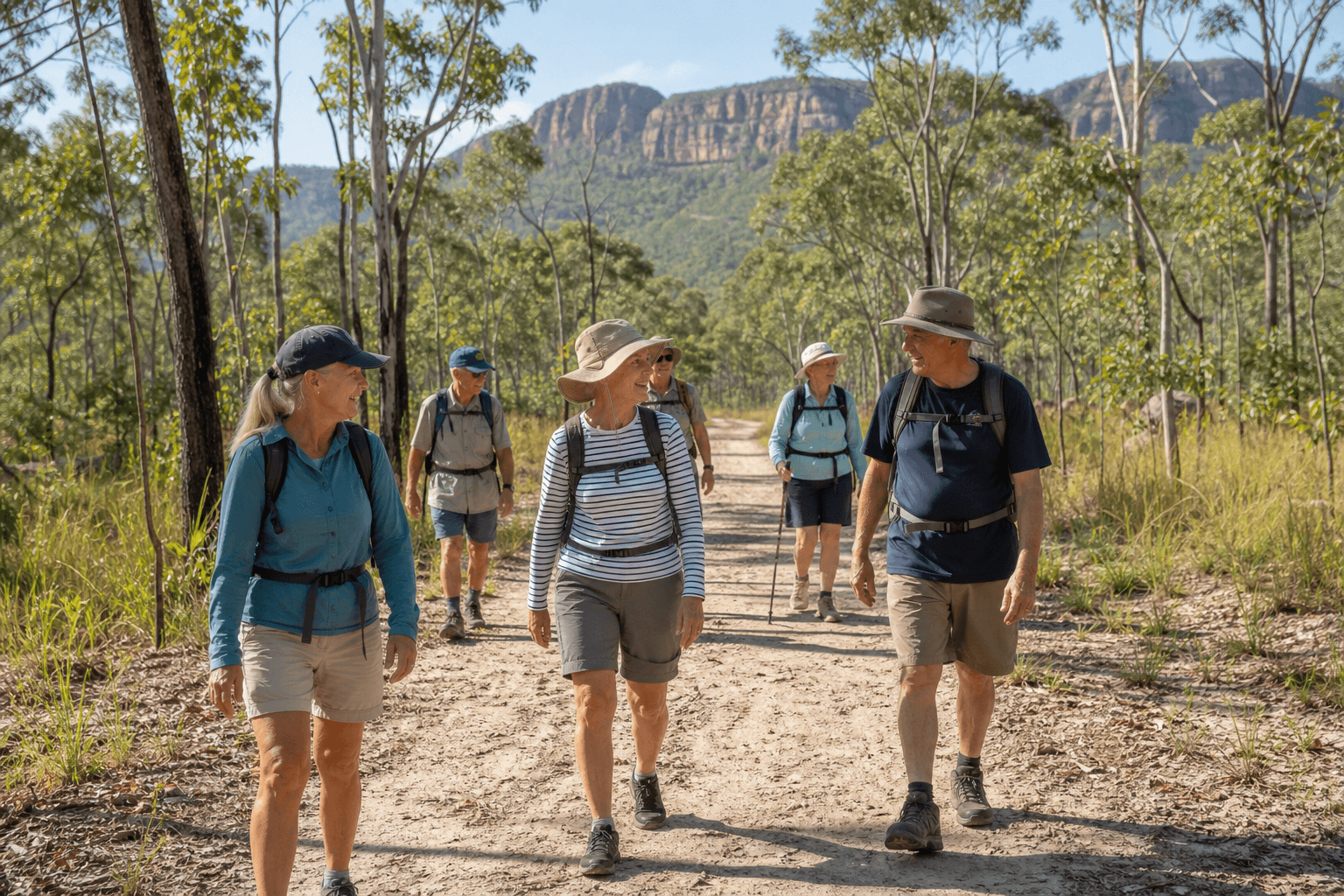
Walking alone can be peaceful-but social walking groups in Townsville help with problems many solo walkers recognise: missing motivation after rain, second-guessing a creek line, or pushing on when a rest stop would be smarter.
This article is about community and safety culture, not medical advice.
Why groups improve safety margins
Group walking often normalises good habits:
- Planned rest breaks before dehydration becomes obvious
- Shared observations about weather, snakes, and unstable rock
- Clearer "turn back" decisions when conditions change mid-day
Groups do not replace navigation skills or first aid training-but they raise baseline caution.
The Townsville Bushwalking Club
For organised bushwalking, local route culture, and trip reports written in North Queensland context, start with The Townsville Bushwalking Club.
Trip reports are useful even before you join a walk, because they describe how experienced leaders think about wet-season risk, pace, and group management.
Let's Walk Townsville
For community walking programmes focused on regular movement, see Let's Walk Townsville. Check their site for current schedules and what to expect at meet-ups.
Benefits beyond fitness tracking
- Accountability: it can be easier to show up when someone else expects you-without turning movement into pressure.
- Local knowledge: members share conditions faster than a single hiker can verify alone.
- Connection: long humid mornings become shared stories-often with food stops that refuel bodies properly.
Wet season and summer reality checks
North Queensland's heat and storm cycles change what "a normal Sunday walk" feels like month to month. Groups that survive long term tend to share honest pace expectations, early starts when humidity climbs, and turn-around discipline when lightning or creek rises appear.
If you are new, treat your first few outings as information gathering: learn how organisers communicate delays, substitutions, and cancellations-calendar optimism rarely survives the first December storm season intact.
Choosing a group that matches your pace
Not every walking community targets the same outcome. Some programmes prioritise repeatable weekly kilometres on flat routes; others rotate through hillier sessions as fitness improves; bushwalking clubs may layer navigation, off-track judgement, and group management culture that assumes prior hill experience.
Ask practical questions before committing travel time:
- What distance and elevation change should I expect on a typical outing?
- Is there a sweep or tail walker, and how does the group handle splits?
- What gear minimums apply-water volume, footwear, first aid, emergency shelter?
If answers feel vague, ask for a recent example route name or generic description ("urban riverfront loop," "ridge repeat," "national park circuit") so you can judge realism against your current fitness.
Transport, costs, and courtesy
Carpooling reduces parking friction at busy trailheads-yet it works better when people agree upfront on pick-up times, fuel contributions, and gear space. Running late without messaging strains groups faster than heat does.
Likewise, respect permits, closures, and Indigenous heritage messaging you encounter together-social walking does not excuse ignoring signage because the group is large.
Build a base on easier routes first
If you are new to heat walking, start with:
Etiquette that keeps groups strong
- Be honest about your fitness level and any health limitations that matter on hills.
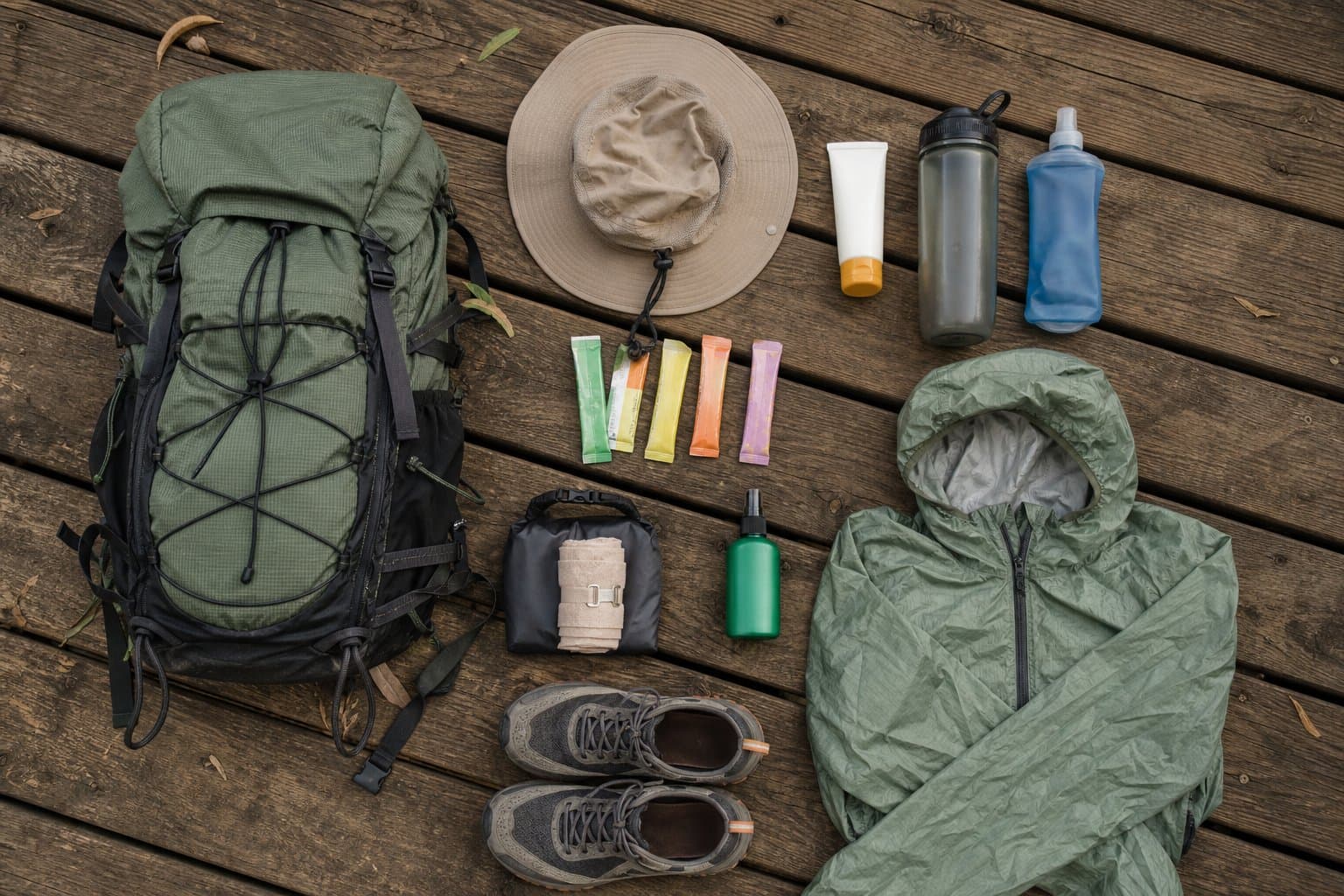
- Carry your own water, sun protection, and first aid supplies even on social walks.
- Offer patience on descents and narrow tracks-rushing in groups is how avoidable injuries happen.
If you join The Townsville Bushwalking Club trips as you progress, treat leaders' briefings as part of the hike-not optional chatter. Bushwalking culture often assumes collective safety, not solo sprint behaviour.
Pairing with deeper skills posts
As you progress, read:
Post-hike recovery culture
Many walking communities naturally finish near cafés or roadside stops because calories and hydration matter after humid kilometres. Eating sensibly after long walks reduces fatigue-driven mistakes on the drive home.
Newcomer tips that reduce awkwardness
- Introduce yourself briefly and name your experience level honestly.
- Ask what footwear people recommend for the route style planned.
- Confirm start time, distance, and return expectation before leaving reception coverage-especially if carpooling.
When groups are not the right tool
If you need silence, solo walking remains valid-alternating formats prevents burnout.
Some walkers prefer community programmes without formal club membership-Let's Walk Townsville can be a lighter on-ramp when your priority is consistent movement rather than technical terrain. Keep expectations distinct: community walking and bushwalking clubs solve different problems; neither replaces navigation homework when you eventually choose harder routes.
FAQ
Are these groups only for fast walkers?
No. Ask organisers which walks suit beginners and what pace to expect.
What if I need flexibility?
Many people mix solo easy walks with scheduled group outings.
Can I bring friends?
Depends on the programme-check with the organiser rather than assuming.
What if I am slower than the group?
Ask whether the outing supports multiple pace bands-or choose a programme explicitly marketed for beginners. There is no medal for hiding breathlessness until you bonk on a ridge.
Do groups replace training for remote trips?
No. Groups can teach habits; you still need skills, supplies, and conservative planning when mobile coverage disappears.