Thorsborne Trail: Hinchinbrook Island Planning Guide

Published
Last updated
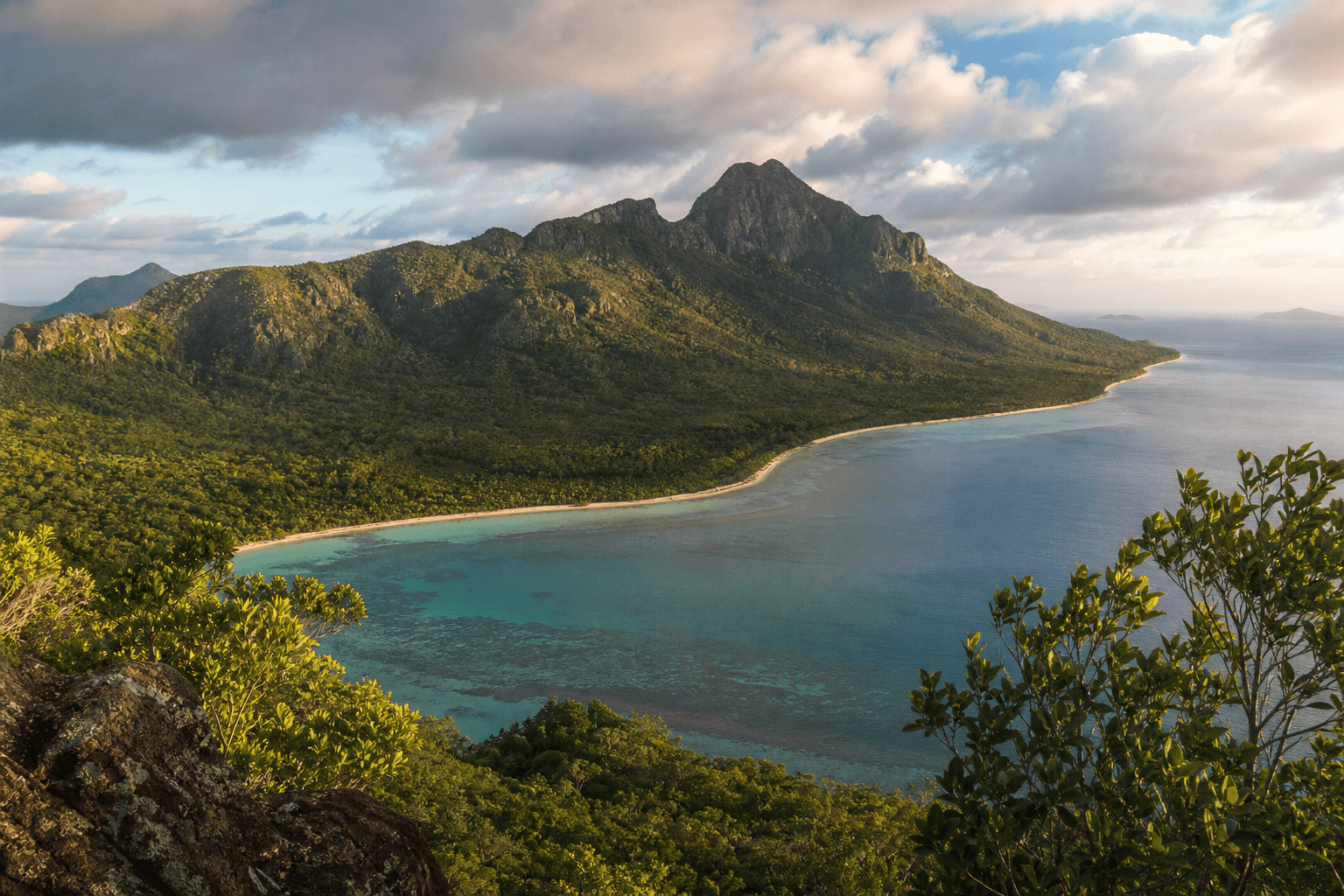
The Thorsborne Trail is a permit-only multi-day walk on Hinchinbrook Island National Park. This guide is a practical planning summary, not a substitute for official rules, map skills, or first-aid training.
If you only do one thing after reading this page, do this: verify your plan against current QPWS pages before you book travel.
Quick reality check
- Distance is roughly 32 km along Hinchinbrook's east coast.
- Most walkers take 3 to 5 days.
- You camp at designated sites only.
- Conditions can change quickly with rain, tides, and creek levels.
Treat this as a remote tropical hike, not a casual beach walk.
Official links to use first
- Thorsborne Trail park hub
- Thorsborne Trail journey page
- Hiking seasons and closures
- Camping rules and site details
- Queensland National Parks Booking Service
Keep these open when planning. If a blog and QPWS disagree, QPWS wins.
Permits and bookings
You need the correct Thorsborne booking product before you walk. You cannot rely on paying on arrival.
Popular periods fill fast, and release timing can change year to year. If you are flying in, lock permits before locking non-refundable travel where possible.
Some groups (for example school or commercial groups) may have separate requirements. Follow the official contact pathway listed by QPWS for your group type.
Campsites and itinerary planning
Use the current QPWS campsite rules, including any night limits for each site.
A simple way to plan:
- Choose the exact campsites you are permitted to use.
- Build each day around terrain and tide constraints, not just distance.
- Add buffer time for weather and slower creek crossings.
Avoid copying someone else's itinerary exactly. Your pace, pack weight, and conditions will differ.
Safety priorities on this trail
The main risks are usually heat, dehydration, slippery surfaces, rising creeks, and poor decisions under fatigue.
Also plan for:
- Tides on beach-headland transitions.
- Saltwater crocodile risk in estuary and nearshore zones.
- Marine stinger context around transfers and swims.
- Storm and lightning exposure on open sections.
Carry communication and emergency tools appropriate for remote travel (for example PLB or satellite messenger), and know how to use them before the trip.
Water, food, and gear
Be self-sufficient. Carry enough water capacity for your longest dry sections and have a reliable treatment backup.
Pack food with margin for high humidity and slower-than-planned days. Protect food from wildlife and store rubbish properly.
For gear prep, these related guides can help:
Navigation and decision making
Everyone in the group should understand the daily plan, but nominate clear trip leadership before you start.
Agree on turn-back rules early, especially for high creeks and weather deterioration. Deciding this on paper is easier than deciding it in heavy rain.
Respect for place, wildlife, and culture
Walk softly and camp cleanly. Stay on legal routes, follow closures, and leave campsites better than you found them.
Give wildlife space, especially cassowaries. Do not feed animals.
Respect Traditional Owner country and cultural heritage. Permits are permission to travel responsibly, not permission to ignore boundaries.
Helpful context before or after Thorsborne
For broader regional planning, these can help:
For local bushwalking decision culture, trip reports from The Townsville Bushwalking Club are useful reading.
You can also read Wanderstories for broader hiking narratives and route context.
FAQ
Do I need prior overnight hiking experience?
Strongly yes-practice shorter self-sufficient walks in humid climates first.
Can I camp anywhere beautiful I see?
No-only designated areas consistent with your permit product.
What if permits sell out?
Adjust dates, consider commercial guided offerings through vetted operators, or pivot to other QPWS journeys-not illegal bypass tracks.
Are fishing and fires allowed?
Verify current park rules-defaults trend restrictive near World Heritage values.
Is the Thorsborne "closed" sometimes?
Yes-seasonal closures protect people and country during dangerous conditions-celebrate closures as evidence-based management, not personal attack.
Do I need boat transfers booked?
Often yes-maritime access is part of the plan; coordinate times with walking windows conservatively.
How does Thorsborne compare to Wet Tropics Great Walk segments?
Different permits, infrastructure, and ecology-do not paste Wallaman Great Walk packing onto Hinchinbrook without re-reading both QPWS products.
Should I trust forums for creek difficulty after cyclones?
Use forums for question lists-answers must be verified through official reopening language.
Can teenagers walk Thorsborne responsibly?
Sometimes-depends on maturity, guardians' skills, and honest tempo; QPWS may publish age-related guidance-check.
What about solo hiking?
Policy and risk differ-confirm whether your permit class allows solo starts; many crews wisely defer until skills justify self-rescue mathematics.